PIERCE COUNTY IS GROWING FAST.
Without action, our transit system can’t keep up.
You decide on November 3.
Pierce Transit has placed a local transit measure — Proposition 1 — on the November 2026 ballot that would fund maintaining and improving transit service throughout Pierce Transit’s service area. If approved by voters, residents will have more affordable ways to get around with transit options that serve more people, more places, more often. Proposition 1 would fund a 47% increase in transit across the Pierce Transit service area and fund fare-free buses and paratransit for seniors age 65+.
Pierce County is growing fast.
Pierce Transit’s sales tax rate hasn’t changed since 2002.
Without additional funding, Pierce Transit will not be able to keep pace with demand or maintain the service we have today.
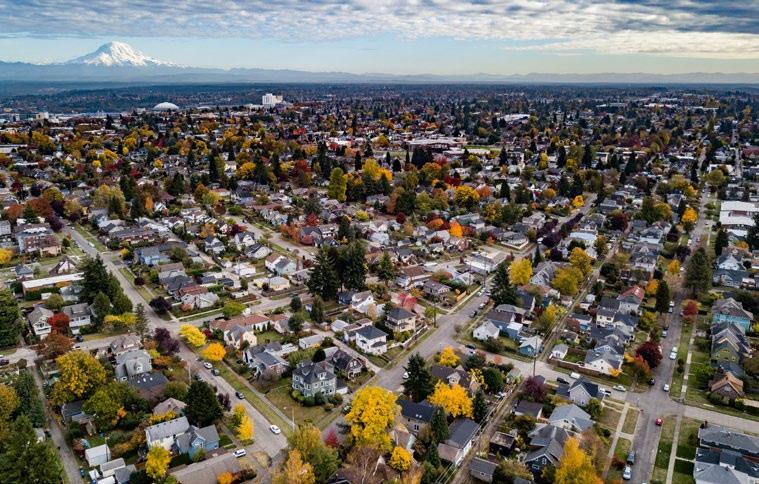
Growth
About 275,000 more residents and 141,379 jobs are projected by 2044.
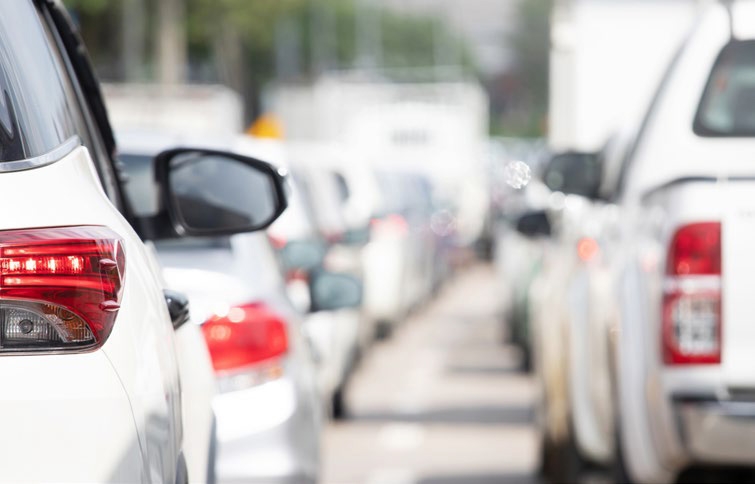
Congestion
Without more transit, most of that growth arrives by car and on roads that are already full.

Economy
When transit falls short, so does access to jobs, school, healthcare and groceries.
Who benefits from transit? Everyone.
Even if you never take the bus, you benefit from it.
Transit moves the workers, students, customers and neighbors our community relies on. Every $1 invested in public transportation returns an estimated $5 in long-term economic value.
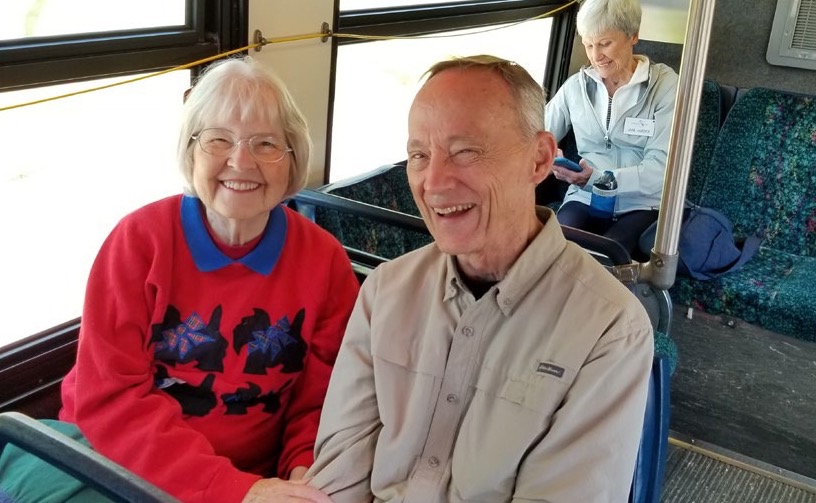
Seniors
Fixed-route buses and door-to-door SHUTTLE service keep older neighbors independent.

Students
Fare-free rides for youth 18 and under connect students to school, training and first jobs.
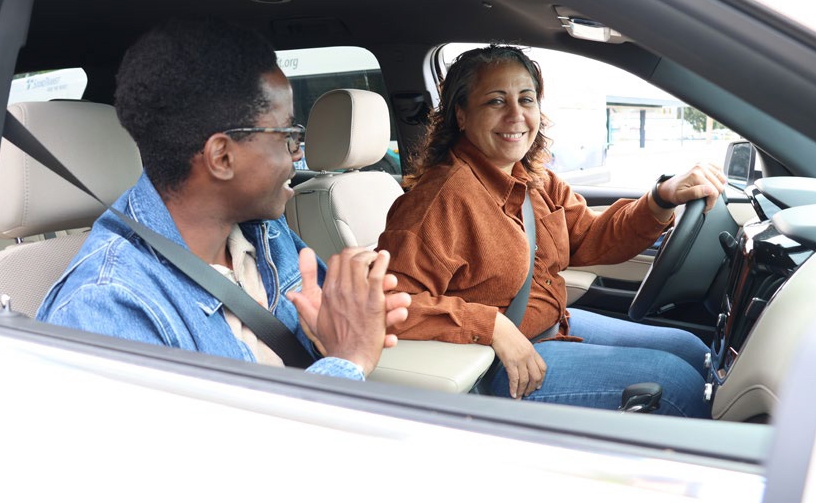
Car Owners
Every trip taken by bus is one less car ahead of you at rush hour.

Local Business
Transit brings customers to the door and workers to the shift, on time.
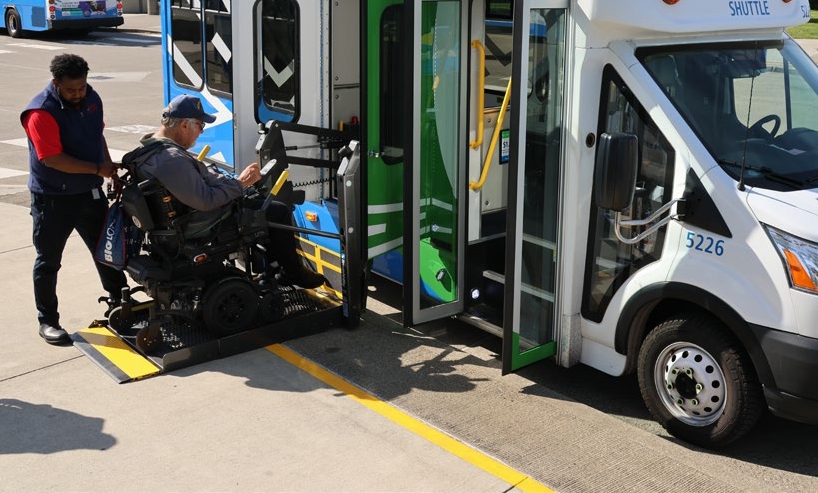
People with Disabilities
Accessible buses and expanded paratransit make everyday trips possible.
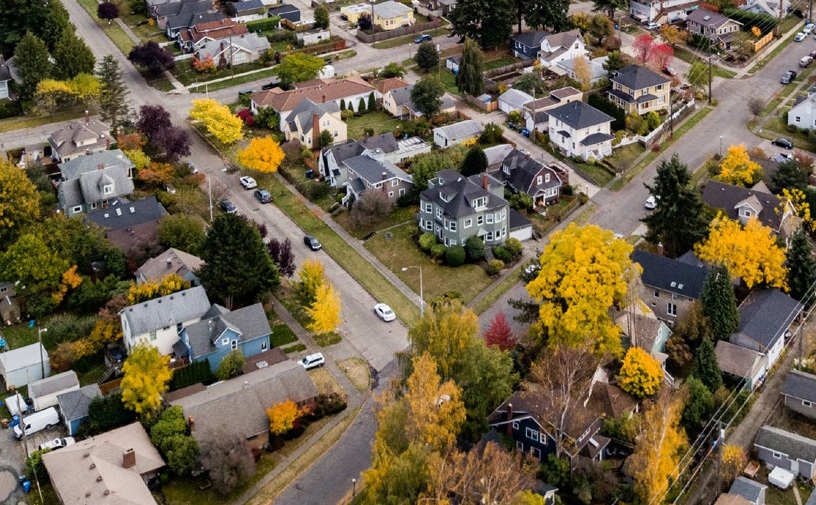
Local Residents
More frequent service, running longer, across the whole service area.
ⓘ Hover over a picture to learn more
A plan built on what we heard.
14 months of outreach. 79 community events. 700 survey responses.
We asked what Pierce County needed. This plan is the answer.




Key Parts of the plan
Let’s get to the good stuff.
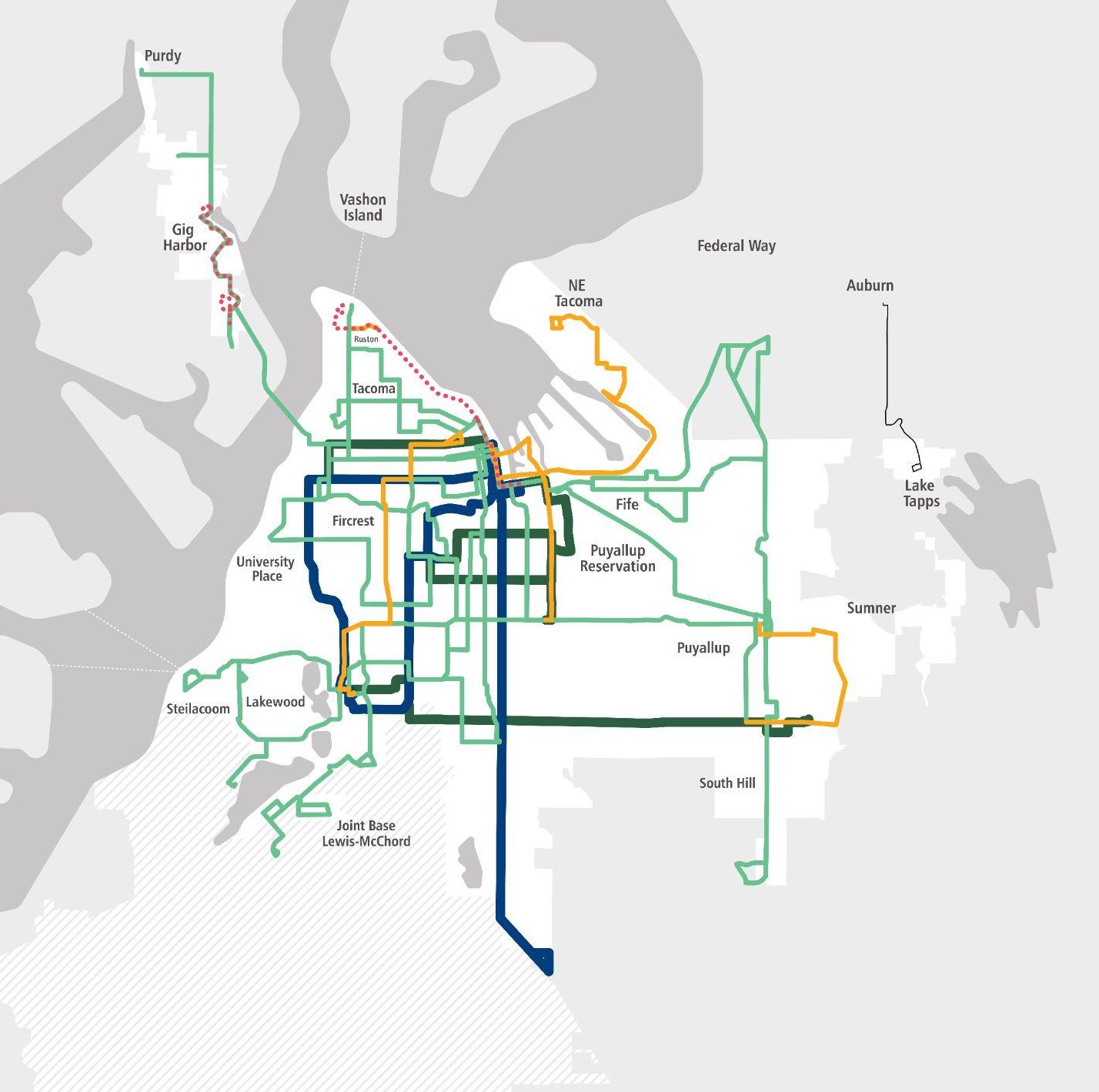
Proposed System Map – Weekday Frequency
Key
Stream Rapid Routes
Proposed New Routes
Seasonal Trolleys
All Other Routes
Every 15-20 Minutes
Every 30 Minutes
Seasonal Trolleys (frequency TBD)

Fare-Free Rides for
Seniors & Youth
Every senior 65+ rides the bus and SHUTTLE, fare-free. Youth 18 and younger continue to ride fare-free on all services.

Shorter Waits
& Quicker Rides
86% of bus routes will run more often.

Special Event Service &
Waterfront Trolleys
Your ride to waterfronts, concerts, fairs, sports events, and festivals.
Improved Transit Improves Lives.
Expanded routes get your community moving.
Tricia could be your teenager. JP could be your coworker. Carlos could be the nursing assistant who cares for your parent. Kevin could be your dad. Tyler could be your friend. Marilyn or Lisa could be your neighbor.

Tricia, 18
Running Start Student
Northeast Tacoma
Today: Connects between Stadium High School and Tacoma Community College by bus, but relies on rides from family members or classmates to get home after class.
If Approved: New Route 63 restores her ride home. Frequency improvements between Stadium and TCC help her get to class on time. New route, later evenings, more weekend options.
NEW ROUTE, LATER EVENINGS, MORE WEEKEND OPTIONS
One bus. Two Campuses.
A smoother school day.
Tricia is a senior at Stadium High School and takes classes at Tacoma Community College through Running Start. She enjoys the academic challenge, but traveling between Northeast Tacoma and both campuses can be challenging.
Right now, her commute requires several buses and transfers. If class runs late, one missed connection can turn into a much longer trip home.
If Proposition 1 is approved, the new Route 63 would provide direct access to downtown transit hubs, so she can easily transfer to buses serving both schools.

JP, 46
PARENT & CAREGIVER
MILTON
Today: Juggles work and childcare around one-hour waits.
If Approved: Route 501 wait times are cut in half, every day of the week. They are able to get to work and pick up their kids without long waits. Wait times are cut in half.
WAIT TIMES CUT IN HALF
Half the wait. More family time.
More frequent Route 501 service means less time watching the clock. JP is the proud parent of three, and like many parents, their day runs on a carefully coordinated schedule. When their partner works a night shift, JP needs to get from work in Tacoma back to Milton in time for school pick-up.
Right now, hour-long gaps between Route 501 buses can make that a stressful race against the clock.
If Proposition 1 is approved, an updated Route 501 schedule would cut those waits in half, turning one bus an hour into two.

Carlos, 33
Healthcare Worker
Lakewood
Today: starts his workday in the afternoon and worries about missing the bus.
If Approved: Route 3 becomes a Stream Line, with buses running every 15-20 minutes until midnight six days a week and until 10 p.m. on Sundays. He can rely on the bus to get to and from work.
BUSES EVERY 15-20 MIN UNTIL MIDNIGHT
Finish the shift. Skip the race.
Later, more frequent service means one less thing to worry about after a long shift. Carlos works 8-hour shifts as a nursing assistant at one of Tacoma’s health clinics. His shifts start in the afternoon and often don’t end until evening. By then, Route 3 runs every 30-60 minutes, which can mean rushing to catch a bus — or facing a wait for the next one.
If Proposition 1 is approved, Route 3 would become a new Stream Line, arriving every 15–20 minutes with service until midnight six days a week, and until 10 p.m. on Sundays.

KEvin, 65
Rider with a disability
Puyallup
Today: Depends on bus and SHUTTLE. Trips can take far longer than driving.
If Approved: Rides fare-free. Thanks to expanded paratransit and new weekday Route 491, he gets to his grandson’s game on time. Fare-free, new route, more paratransit.
FARE FREE, NEW ROUTE, MORE PARATRANSIT
More time cheering.
Expanded service helps Kevin get to the moments that matter.
Kevin doesn’t want to miss his grandson’s games — especially the opening kickoff. The bus and SHUTTLE help make it possible for him to be there, but the wait time between transfers can sometimes mean missing important moments.
If Proposition 1 is approved, expanded paratransit service and the new weekday Route 491 would provide more options and smoother trips, while seniors would ride buses and paratransit for free.
That means Kevin can spend more time cheering from the sidelines and less time waiting for his ride.
3¢ per $10 spent.
Here’s what that actually looks like.
These improvements would be funded by increasing Pierce Transit’s sales tax rate from 0.6% to 0.9% — a 0.3% increase
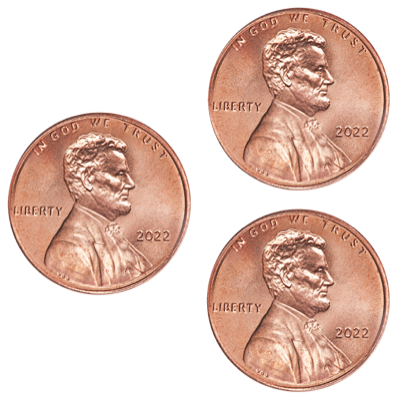
$10 BOOK
= $0.03
$20 SWEATER
= $0.06
$80 WORTH OF ELECTRONICS
= $0.24
Pierce Transit does not
collect funding from:
- CAR TABS
- PROPERTY TAX
- UTILITIES TAX
You do not
pay sales tax on:
- GAS OR GROCERIES
- RENT OR MORTGAGE
- MOST HEALTHCARE
The proposed change applies only to taxable purchases, not to rent or mortgage, groceries, most healthcare, gas or utilities.
Applies only to taxable purchases within Pierce Transit’s service area. Pierce Transit receives a majority of its funding from sales tax — the only funding source set by the State Legislature — and does not collect car tab fees or property tax.
Information Sessions.
Want to learn more about Prop 1? We’d love to share.
Attend a community information session to learn about Prop 1 or visit us at a Pierce Transit booth at a community event near you to ask questions, pick up informational materials, and learn more about the proposal.
Upcoming Events
Presentations and Handouts
Past Events
Questions?
Pierce Transit is putting forward a ballot measure — Proposition 1— which, if approved by voters, would provide funding to expand and maintain existing transit service and implement proposed improvements within the current Pierce Transit service area. The proposed plan would add new routes and special event service, reduce wait times between buses, extend service hours, improve regional connections, expand paratransit and make buses and paratransit fare-free for seniors, making it easier for people to get around their neighborhoods and communities.
No. The proposed plan would improve and expand service only within Pierce Transit’s current service area. It would not add new cities or areas to the Pierce Transit district. Changes to the service area require a separate process, determined by elected officials and voters. Watch here for more information about how boundaries could change.
If approved by voters, Proposition 1 would:
- Add four new bus routes serving Northeast Tacoma, the Port of Tacoma, East Tacoma, Central Tacoma, Lakewood and the Puyallup area.
- Add seasonal waterfront trolleys and special-event service for fairs, sports events and festivals.
- More routes will run more often, including no hourly waits between buses on weekdays.
- Extend service later into the evening on weekdays, Saturdays and Sundays.
- Improve local transfers and regional connections.
- Expand paratransit service.
- Make buses and paratransit fare-free for eligible seniors, age 65 and older.
Local transit affects the whole community, whether you ride public transit or not. Buses connect workers to jobs and employers to workers, help local businesses reach customers and give more people another way to travel, which can ease traffic and competition for parking.
Transit provides independence for seniors, students and people with disabilities who may not drive. These are often the very people you rely on, or who rely on you. Strengthening local transit strengthens the community for riders and non-riders alike.
Even occasional riders and non-riders can feel the effects of a stronger transit system:
- Less congestion: more travel options can mean fewer cars competing for the same roads and parking.
- A stronger local economy: easier worker-to-job connections and better access for customers support local businesses.
- Support for people you know: reliable service helps your neighbors, coworkers, aging parents and kids get where they need to go.
- Easier big events: proposed seasonal and special-event service for fairs, sporting events and festivals can reduce traffic and parking hassles on busy days.
- A better-connected region: improved links to rail and other services help the whole transportation network work more smoothly.
If approved by voters, the proposed plan would:
- Add seasonal waterfront trolleys serving Gig Harbor and the Tacoma-Ruston waterfront and Point Defiance area.
- Provide a flexible pool of funding for service to fairs, sporting events, festivals, concert series and other community events.
- Allow Pierce Transit to work with communities and event partners each year to determine which events and destinations the service would support.
The specific events, routes, schedules and stops would be determined annually based on community needs, available resources and coordination with event partners. Potential examples include service associated with the Washington State Fair, sporting events, festivals and summer concerts to ease traffic for everyone, whether you ride public transit or not.
This service would provide another transportation option on high-attendance days when traffic and parking demand may be greater than usual.
If approved by voters, the measure would change Pierce Transit’s sales tax rate from 0.6% to 0.9% — an additional 0.3%, or 3 cents per $10 spent on qualifying purchases in the Pierce Transit service area.
For example, that is:
- 3 cents on a $10 book
- 6 cents on a $20 sweater
- 24 cents on $80 worth of electronics
- 68 cents on a $225 piece of furniture
The proposed change applies only to purchases that are already subject to sales tax. Those are things like dining out, clothing and electronics. It does not apply all at once. Because the change is tied to what a household actually buys, the amount depends on individual spending rather than a flat annual charge. Many of the largest costs in a typical household budget are not taxed at all (see below), so a significant share of everyday spending would be unaffected.
Per Washington state law, sales tax does not apply to rent or mortgage, groceries or most healthcare, and it also does not apply to other essentials like gas and utilities. Because housing, food, healthcare and fuel make up a large part of most household budgets, much of what a household spends each month would not be affected by this change.
Pierce Transit’s primary source of funding is a 0.6% sales tax that has not changed since 2002. That is about half the rate of peer transit agencies in Washington. As Pierce County grows and costs rise, this measure is one way the community could fund the more frequent service, new routes and longer hours residents have asked for.
Pierce Transit projects that, without additional revenue, it could maintain current service for a limited period by using available reserves. However, using reserves to cover ongoing operating costs would not be sustainable.
Under current financial projections, starting in 2027, the agency would begin planning for cost-cutting measures that would prioritize maintaining services. Service reductions could begin as early as 2031. The timing and scale of any reductions would depend on future sales-tax revenue, inflation, operating costs and other financial conditions.
If approved by voters, seniors age 65 and older would ride buses fare-free. Seniors who qualify for SHUTTLE paratransit would also ride fare-free. Youth age 18 and under already ride free, and that benefit would continue. Reduced bus fares for riders with disabilities or low incomes would also continue.
Whether a household rides often, occasionally or not at all, local transit affects the community it’s part of. This measure is about connecting workers to jobs, students to school and neighbors to the places they need to reach. The proposed plan benefits daily routines. More frequent buses and longer service hours can matter for households juggling work shifts, school and evening classes, medical appointments, errands and caregiving. In many of these situations, an extra 30 or 60-minute wait or a route that stops running too early can make transit hard to rely on. Congested roads make getting around your neighborhood more difficult. More transit running more often benefits everyone.
In a high-cost environment, public transit is one more affordable way to get around. It’s a practical option alongside owning, maintaining and fueling a vehicle. Gas, insurance, parking and upkeep add up, and a car isn’t an option for everyone.
If approved by voters, the proposed plan would expand lower-cost transportation options with more routes, more frequent buses, longer hours and expanded paratransit. That means more affordable ways to reach work, school, healthcare and home.
The proposed plan would expand paratransit service, including a larger service boundary where new bus routes are added and later hours that match extended bus route schedules. Information regarding eligibility is available in accessible formats on the SHUTTLE website.
November 3, 2026 in the election.
If approved by voters, the new sales tax would take effect April 1, 2027. Service improvements would phase in over time, beginning in 2027 and expected to be complete by 2032.
Pierce Transit is a public agency, and Prop. 1 is part of the certified November 3 General Election. Washington elections are conducted primarily by mail. To vote, you must be registered to vote, and your ballot is based on your registered residential address. If you live within Pierce Transit’s service area and are registered to vote at that address, Prop. 1 will appear on your ballot.You can check your voter registration and see what’s on your ballot through the Washington Secretary of State’s voter portal: Washington voter portal. If you’re not registered yet, Washington offers online voter registration.
Still looking for something? Reach out!
We want to hear from you:
VOTE NOVEMBER 3!
Stay In the Loop!
Sign Up for Prop 1 News: Enter your email address. From the topic list, select “Planning Pierce Transit’s Future Services.”